Breaking The Silence
Basic Informations
NGO Bureau: Registration no. :1642, Date: 03 June 2001
Social Welfare: Registration no. Dha-05037, Date: 17 October 2000
Women Affairs: N/A
Joint Stoke Company: N/A
Micro Credit Regulatory Authority: N/A
Others: N/A
BTS is a non-profit, non- political organization established in 1994 through committed efforts of some of the prominent development activist in Bangladesh and subsequently registered as a legal body in 2000 with the Department of Social Services (DSS) on 17th October 2000 and NGO Affairs Bureau on May 2001. Much of the work was done voluntarily by the founder members to break the silence in the community. The members of BTS have taken upon themselves to raise awareness to protect the children from sexual abuse.
BTS is recognized a specialized organization focusing on prevention of child sexual abuse by CBOs, CSOs, NGOs, government and development partners. It has developed window method based protection education for its program delivery. In the method, step by step the children are capacitated to develop their life skill to protect themselves. They are made aware on their development and rights special focus on sexual abuse. Gradually the method is popular within development actors. It is also utilized by Save the Children Denmark, Red Cross International and Denmark government in their child protection program. For the continue advocacy and lobbying, the government adopted protection education in school curriculum. In the meantime, protection education is included in the subject “Physical Education and Health” in Class VII and it is in process to include in the text book of other classes.
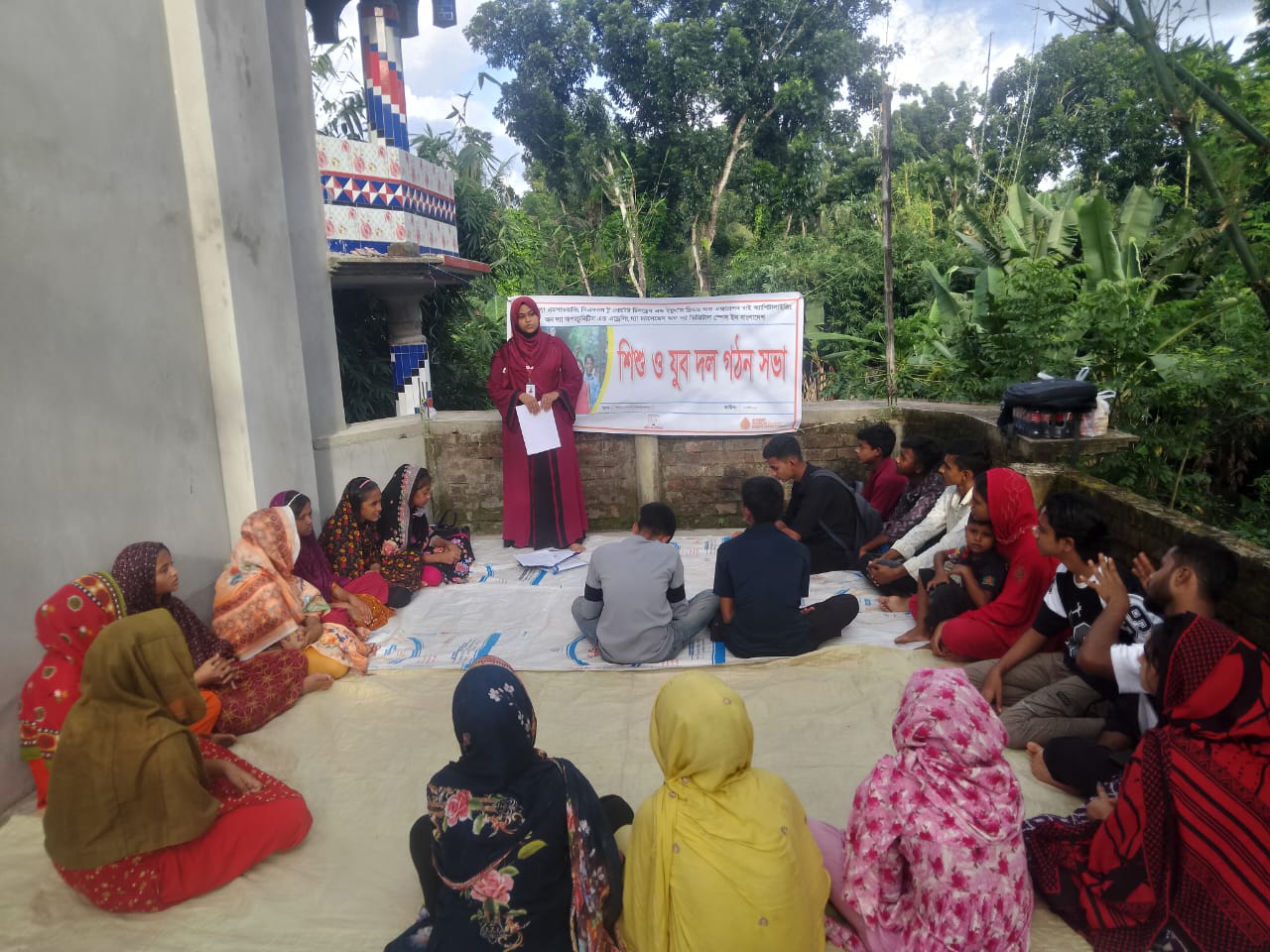
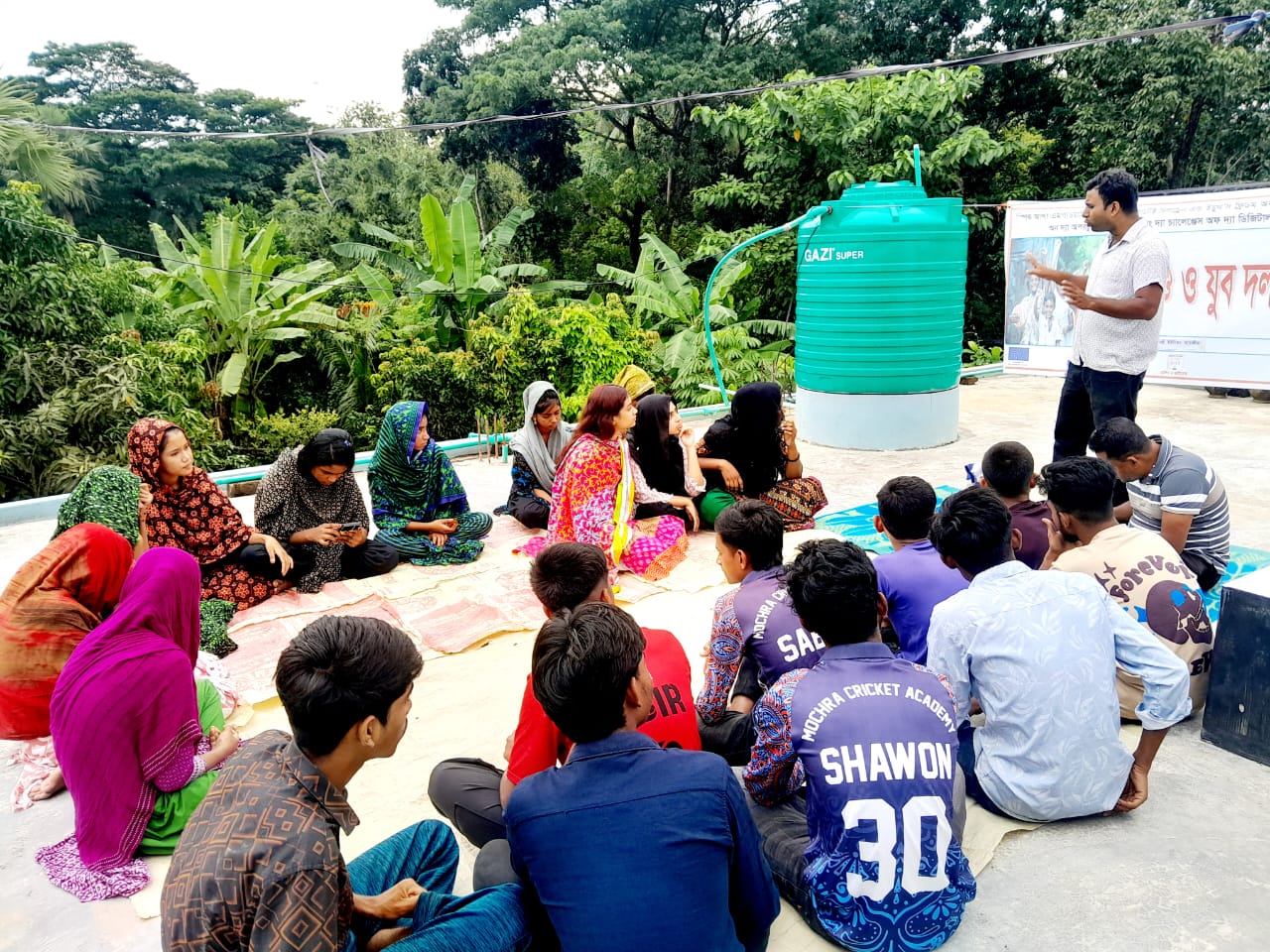
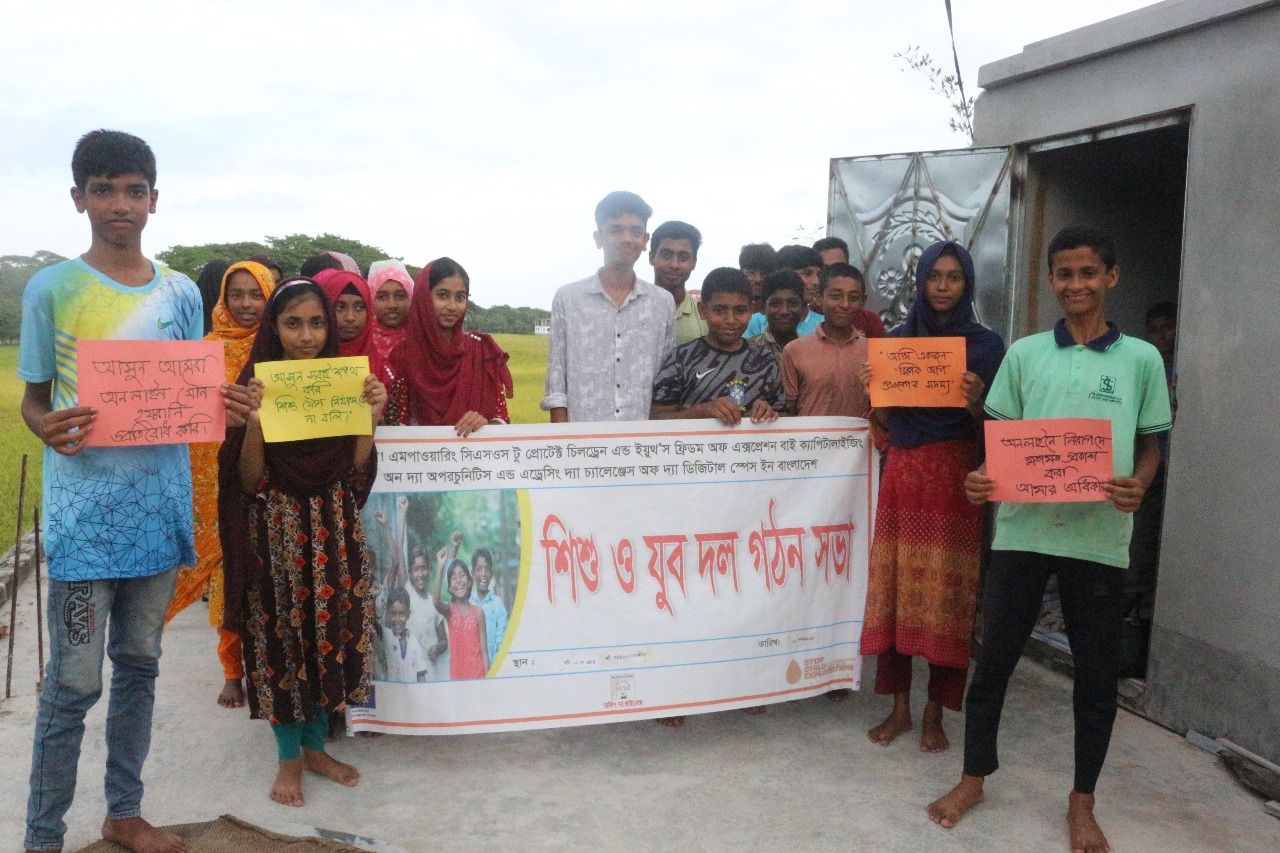
Besides, BTS is working with local government to include children in their governance and allocate resources for the wellbeing of the children. Children in those areas participated in decision making process in budget allocation, formulation of code of conduct, initiation of complaint and response system and service monitoring for child protection. Local government representatives are playing active role to create child friendly environment through provision of education, healthcare, child protection and recreation facilities in the community. With more than two decades experience, BTS is confident and committed to work as a national organization with children, community, CBOs, NGOs, CSOs, media, government and Development Partners.
Address
Breaking The Silence
Project Office:
Mahedibag, Rasulpur, Satkhira-9400
(Beside of TV Tower)
Mob: +88-01720-537237
E-mail:bts.satkhira@gmail.com
Vision
A protective environment in the society and state for promoting child rights.
Mission
To support children, caregivers, duty bearers and other stakeholders to realize and promote child rights and reduce all forms of child abuse with particular focus on child sexual abuse through meaningful child participation and by facilitating good governance
Objectives
1: Monitoring and demanding children’s rights, with children: To facilitate civil society organizations, children and communities to track commitments to child rights, directly influence child focused development policy and to strengthen the political and civic space for children, adolescents and youth to participate in democratic processes.
2: Good Governance delivering child rights: To facilitate civil society organizations, children and communities to advocate for open and resilient institutions that deliver children’s rights.
3: To facilitate civil society organizations, children and communities to strengthen public financing mechanisms that effectively, efficiently and equitably address children’s wellbeing.
4: To design and test a child led social accountability framework, to improve the accountability and responsiveness of primary health and education improved service delivery (especially for women and children).
5: Children and caregivers are aware of the risks of migration and have gender sensitive information and support to manage or mitigate them.
6: Improved basic education opportunities for children.
7: Sustainable community-based child protection mechanism to support vulnerable children and families established
8: Strengthen the gender sensitive services and buildup of a national consensus among government, non-government institutions and private sectors in urban (the city corporations) areas in increasing opportunity of play, and better services to children on the move.
9: Deprived adolescent and youth have access to decent employment opportunities
10: Deprived adolescents and youth have improved ability to gain their social and political rights
11: Deprived adolescents and youth have improved ability to gain their social and political rights
Major Activities
- Ward child forums Meeting
- Youth & Union child forum coordination meeting
- Ward shove, planning and budgeting meeting and open budget sessions are facilitated with attendance of children
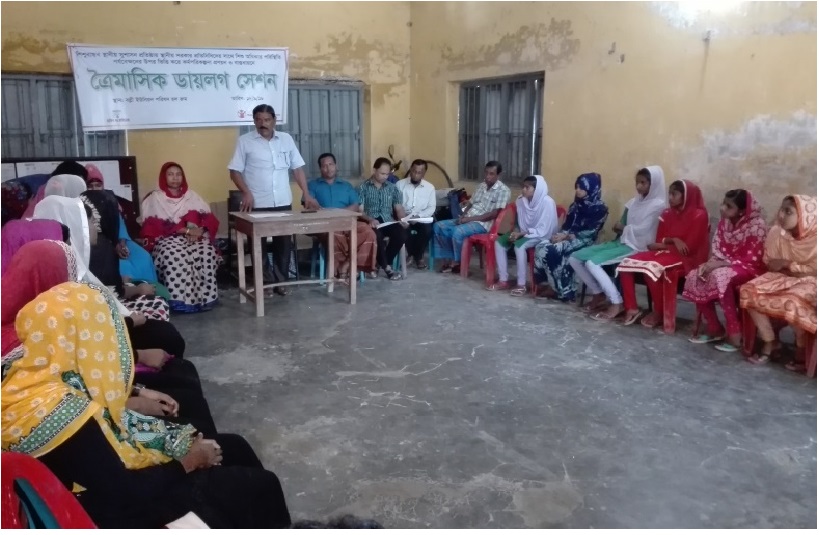
- Local Government organize quarterly dialogue session and develop action plan addressing children observation on child rights situation and follow-up
- organize monthly meeting of the Standing committee of Family violence eradication and women and children welfare with the participation of children, youth and project staff to monitor the implementation of the child focus plan, allocated budget and complaint and response mechanism
- Designing of training curriculum, materials and methodology for Social Accountability Framework
- Monthly Child led monitoring visits by child/adolescent monitors with service providers
- Regular service providers’ self-assessment
- Organize monthly Social Accountability meetings between children/adolescents, youth facilitators, service providers and local government
- Local public dialogue sessions held quarterly ( 2 UZP Stakhira Sadar and Debhata and 1 at District)
- Project learning sharing meeting held at Union level ( 5 Union Parishad) with development org (NGOs), local administration, service providers and LGIs
- Function 15 socialization at 5 unions
- Day Observation (child rights week, National and international child day)
- Organize monthly meeting for each child clubs
- Provide training for the child club members on unsafe migration, child protection, gender, peer to peer support, sports.
- Inter project exposure visit of LGI, CMC, PC, CM, YV
- Organize bi-monthly meeting of protective circles on CRM and other issues
- Organize mass awareness events through using cultural tools e.g. TFD, ALCAAP show with the involvement of children and community people
- Monthly meeting of Centre Management Committee (CMC) on how they will promote 'right to play' and CRM and other issues
- Competition on local play and material development inter socialization centre, inter Union and inter working Area
- Conduct parents group formation meeting and monthly meeting
- Support schools to organize Quarterly Parents gathering at school
- Organize monthly meeting of CBCPC to motivate for service linkage and creating open space for children's play
- Bi-monthly Meeting with ‘counter trafficking committee’ (CTC) at Union
- Quarterly Advocacy meeting with local government and local administration
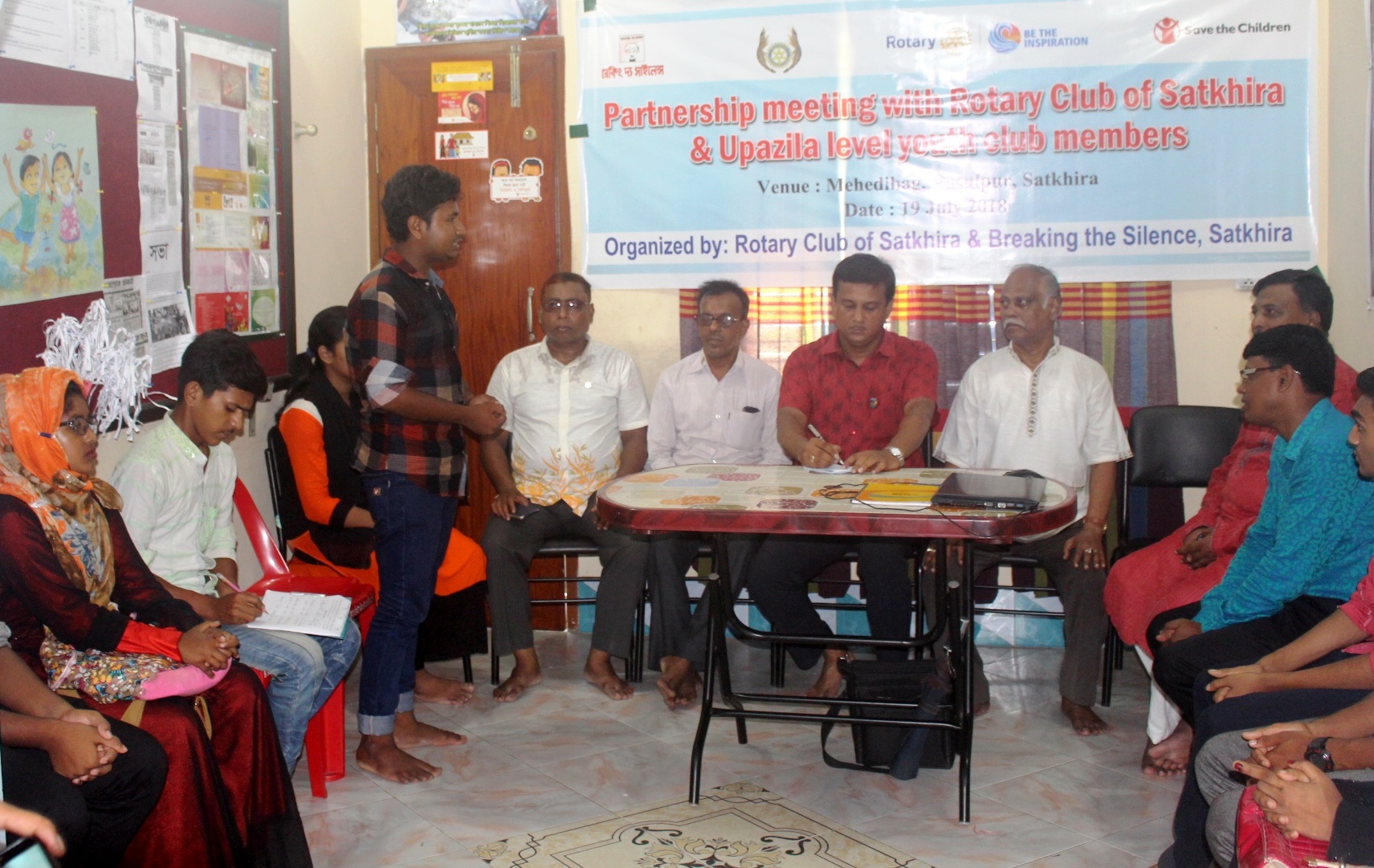
- Organize 12 meeting with adolescent and youth clubs members
- 10 weeks resilience/CFLG training with adolescent and youth
- 4 weeks resilience/CFLG training with caregivers
- Provide training to 375 adolescents and youths on transferable life skills (TLS), occupational health and safety, career counselling and CFLG approach
- Organize 2 awareness raising campaign on rights realization of adolescent and youths
- Organize 6 youth led initiatives
- Conduct a service mapping in the targeted project location (no cost activities)
- Conduct a vulnerability mapping in the targeted project location (no cost)
- 2 Partnership meeting with private sector companies
Head Office
Breaking The Silence
Plot # 2/4,
Lalmatia, Block-G
Mohammadpur, Dhaka-1207
Tel: +88-02-58157889
E-mail:info@breakingthesilencebd.org
Project Office
Breaking The Silence
Project Office:
Mahedibag, Rasulpur, Satkhira-9400
(Beside of TV Tower)
Mob: +88-01720-537237
E-mail:bts.satkhira@gmail.com
List of Excutive Body
- Tasmima Hossain, Chairperson
- Roksana Sultana, Member Secretary
- Quazi Baby, Member
- Mayeeda Choudhury, Member
- Faruq Faisel, Member
- Afsan Chawdhury, Co-Chairperson
- Samia Afrin, Treasurer
- Iqbal Zillul Majid, Member
- Md. Zahir Uddin, Member
- Monowara Parveen, Member
- Jana Goswami, Member
Chief of NGO
Name: Ms. Roksana Sultana
Designation: Executive Director
Phone & Mobile No. +88-02-58157889 (01778-249277)
Staff Strength
| Staff category | Male | Female | Total |
|---|---|---|---|
| Management and Supervision | 9 | 1 | 10 |
| Mid-level | 14 | 6 | 20 |
| Field Worker | 17 | 18 | 35 |
| Support Staff | 2 | 0 | 2 |
| Voluntaries | 4 | 11 | 15 |
Infrastructure facilities:
| Particulars | Total Number |
|---|---|
| Motor Cycle | 5 |
| Computer | 5 |
| Multimedia Projector | 1 |
| Laptob | 3 |
| Camera | 3 |
| Table | 30 |
| Chair | 385 |
| Almira | 2 |
| File Cabinet | 20 |
| Cabinet | 2 |
| Rack | 22 |
Network / Forum
Micro credit related information Last three years: (If necessary)
| Financial year | Amount of Savings | Loan disbursement (Cumulative) | Amount of Total fund (Tk) |
|---|
Project List ( Total Project : 7 )
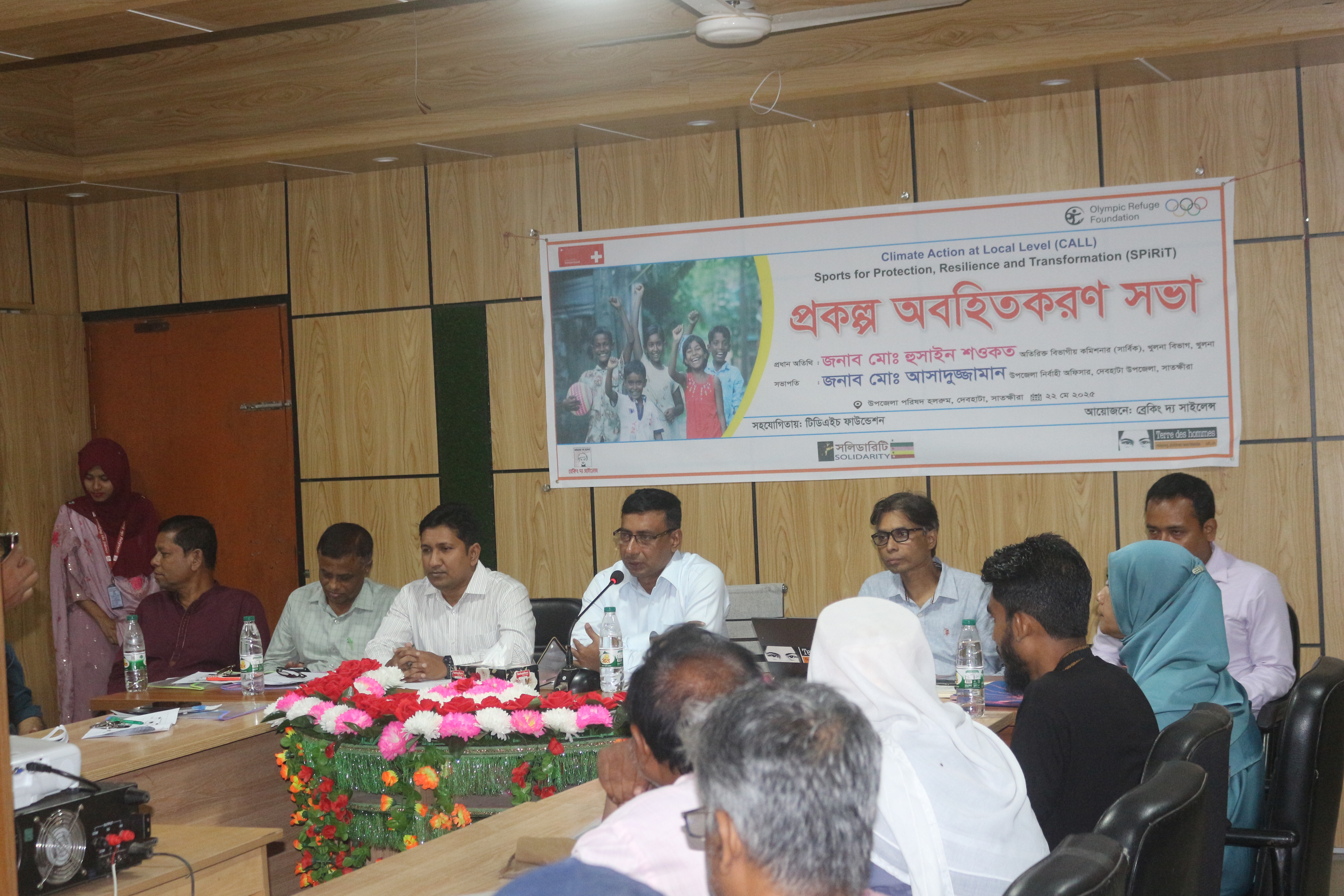
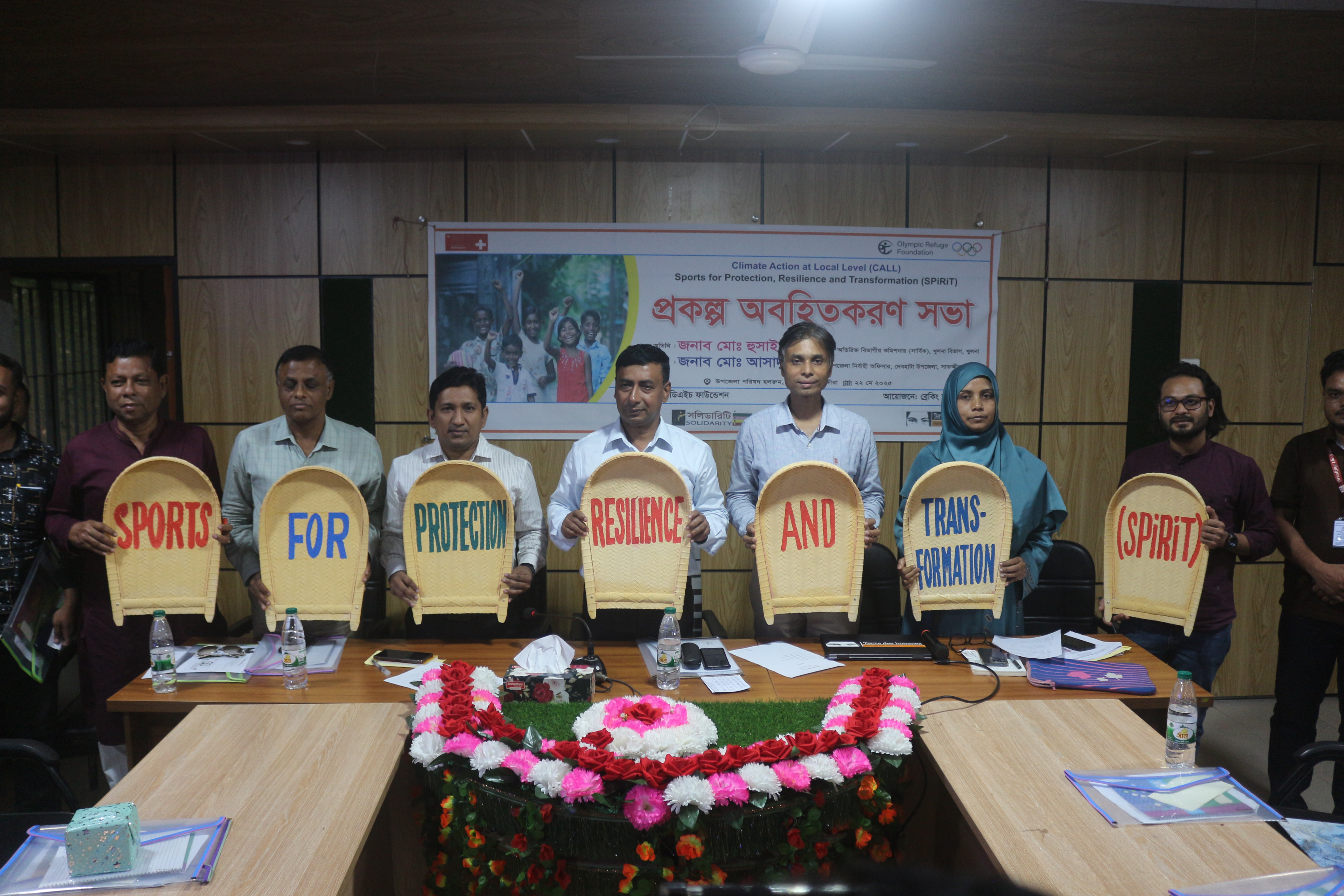
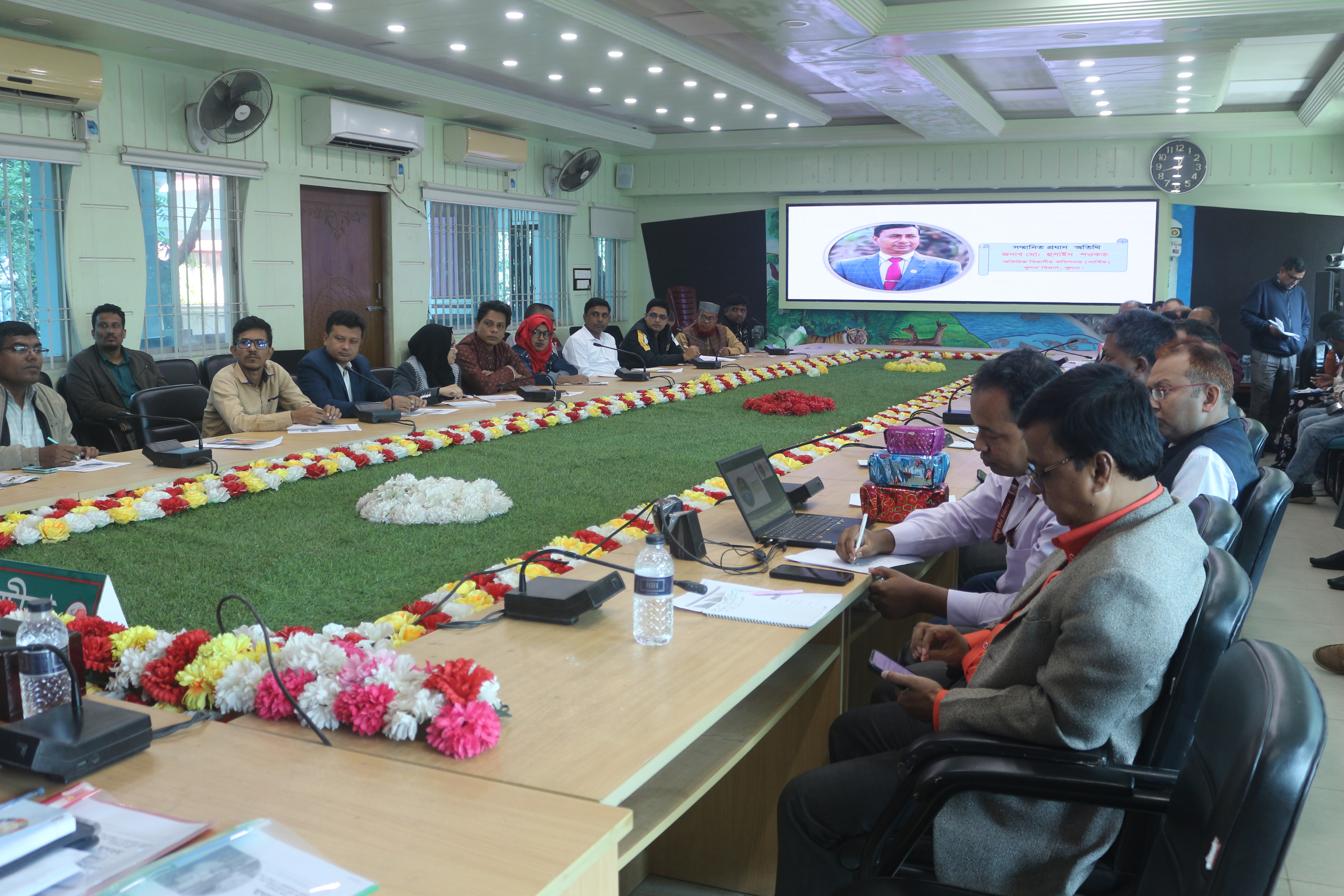
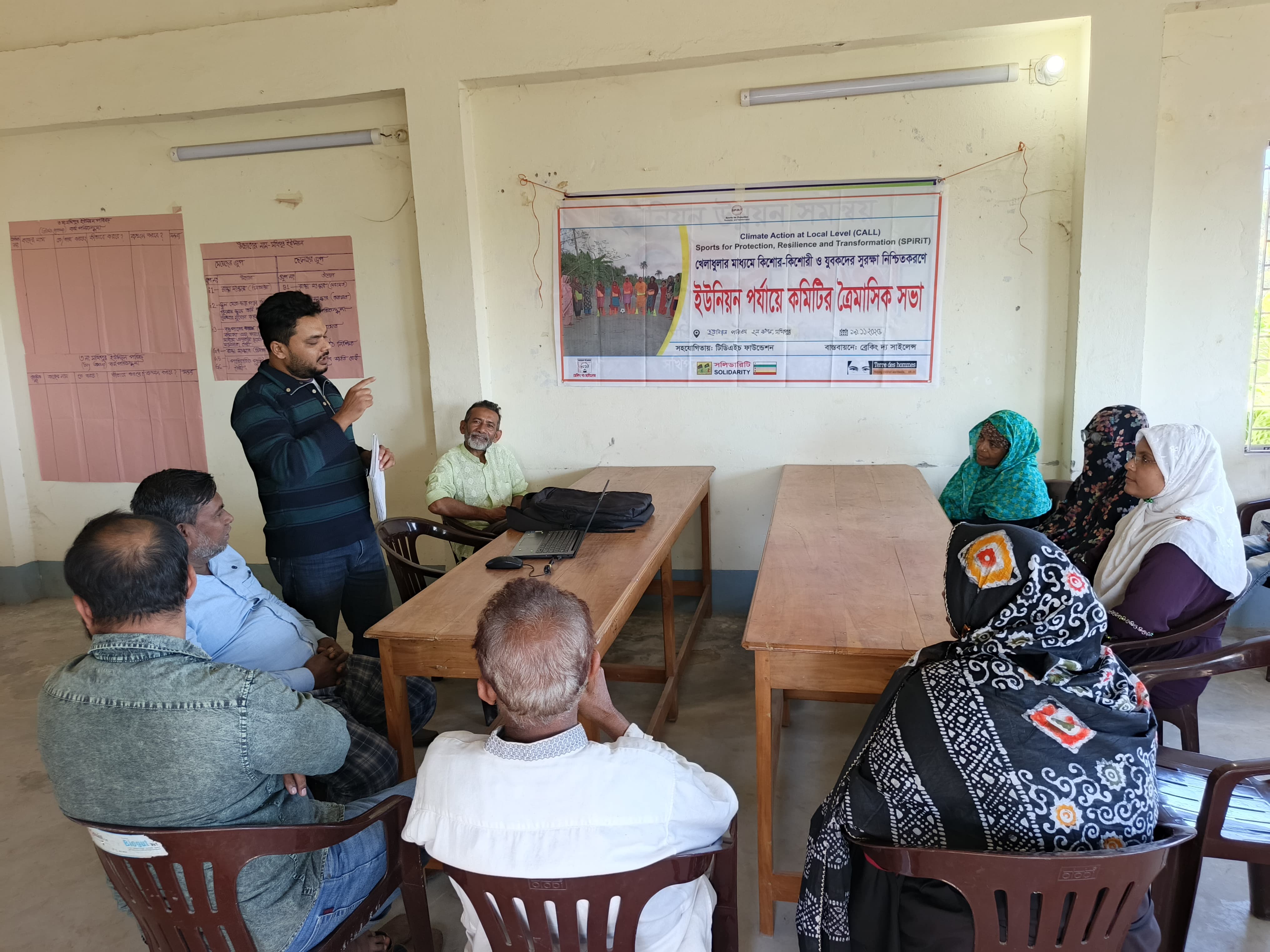
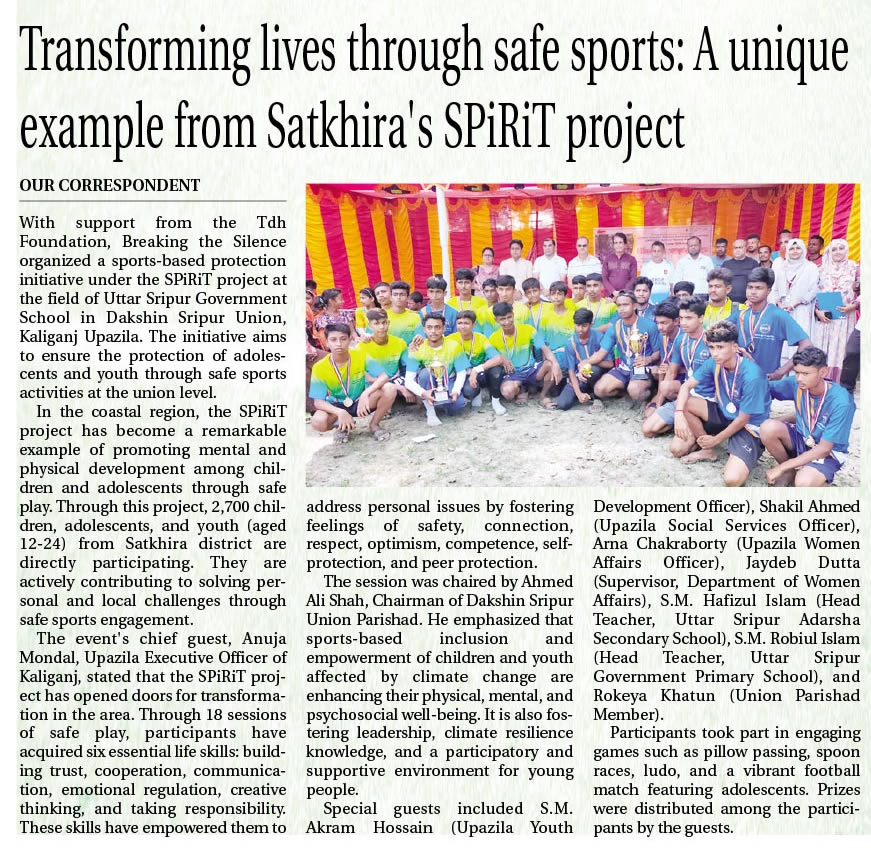
Project Name : Climate Action at Local Level (CALL) Sports For Protection, Resilience and Transformation (SPiRiT)
Doner : ORF and SDC
Sector : Climate and Child Protection
Area : Shamnagar, Ashasuni, Debhata, Kaliganj, and Satkhira Sadar upazillas, Satkhira district,
Time Line : Nov 2024 to Nov 2026
Brief of activities :
The SPiRiT project is implementing by the breaking the Silence supported with Terre des hommes.
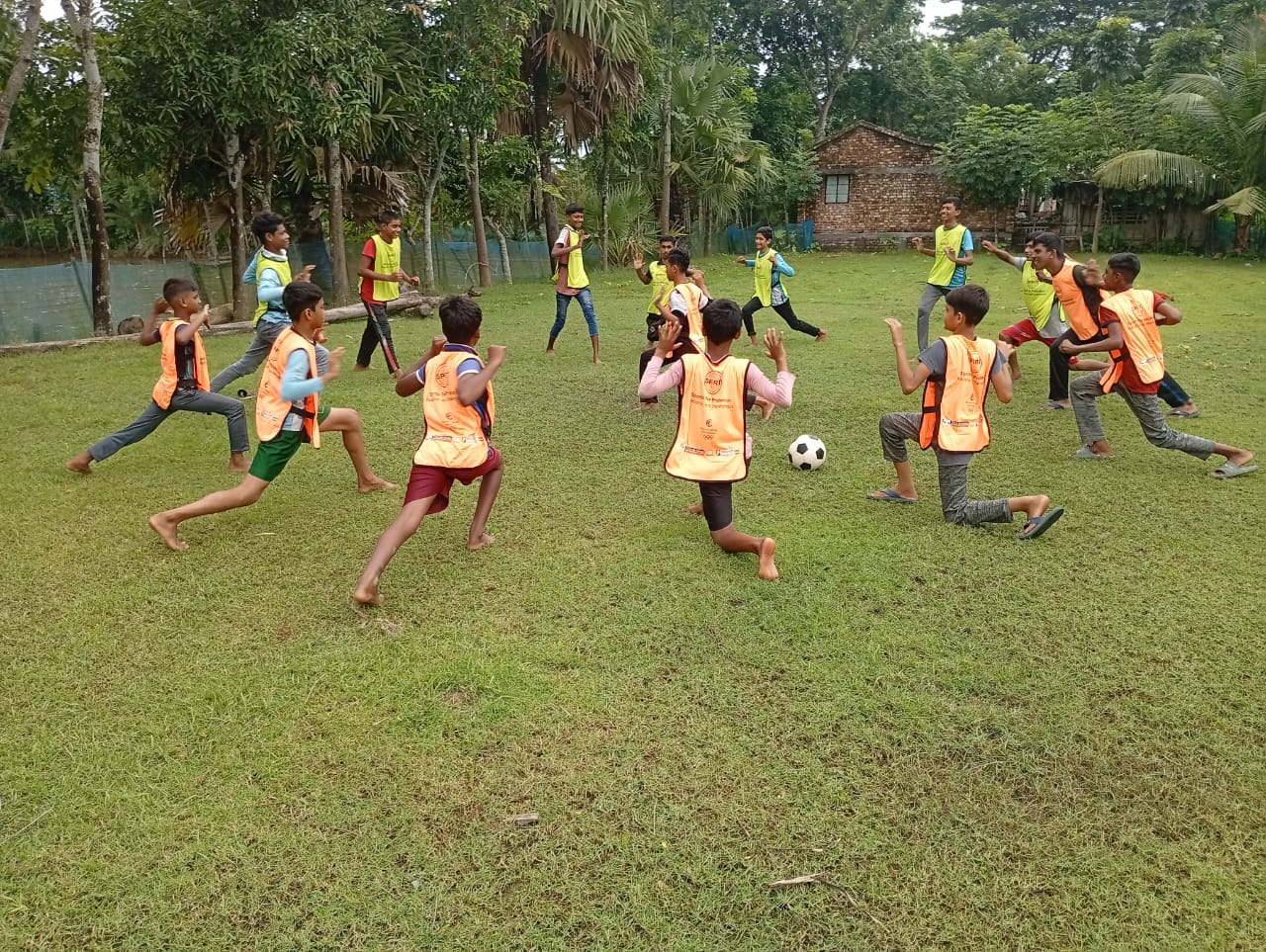
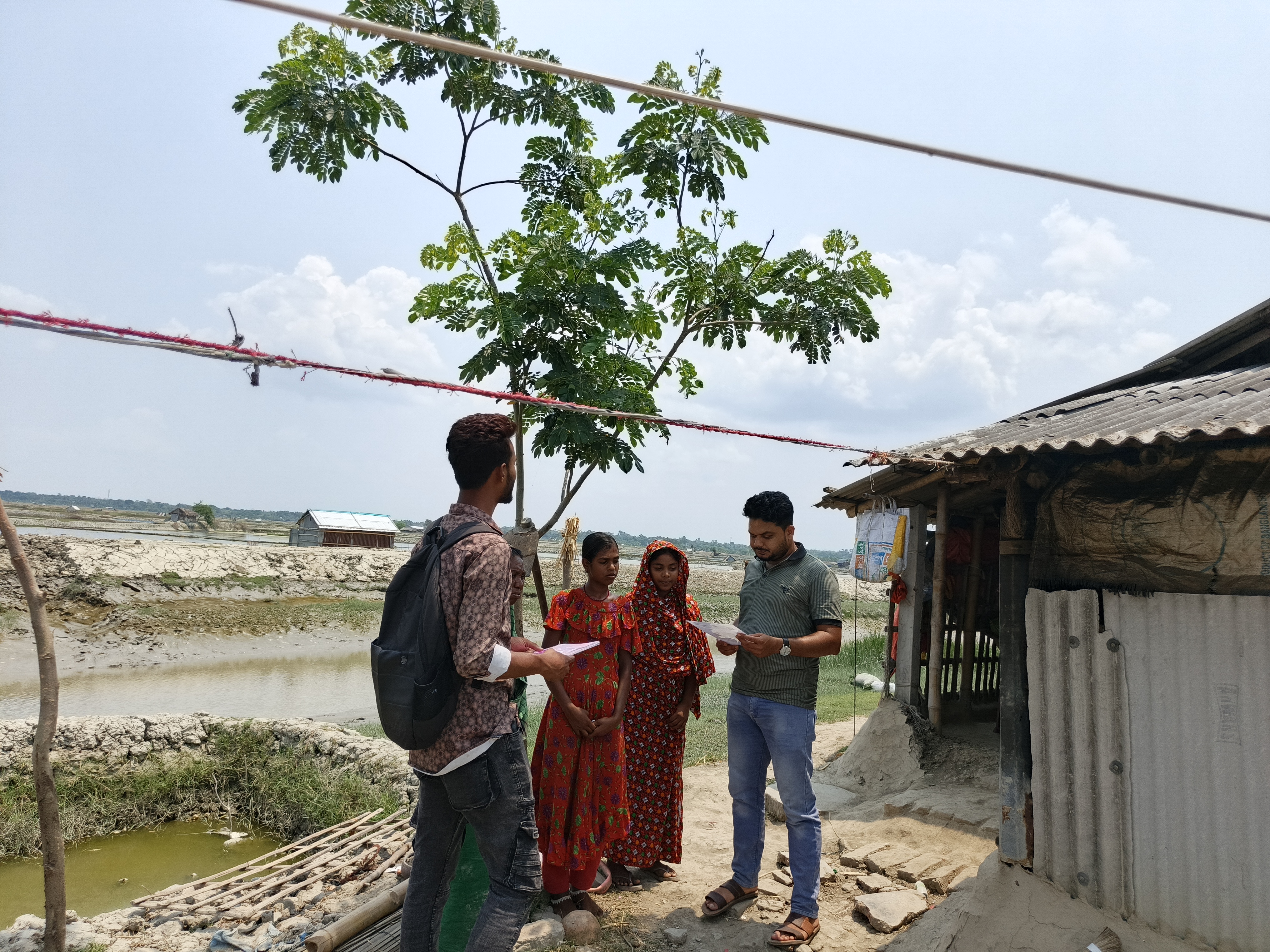
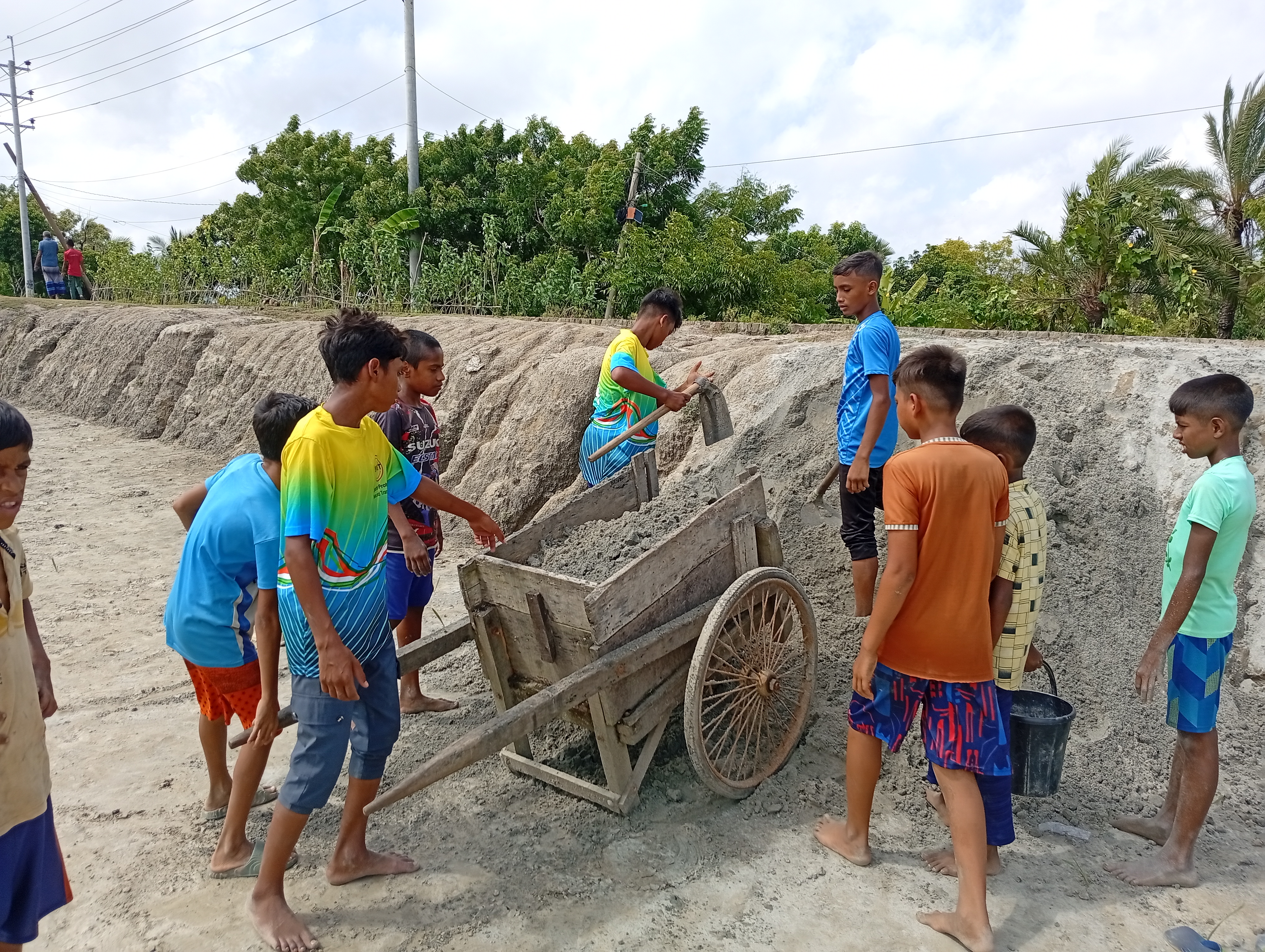
The existing action of SPiRiT aims to promote the inclusion and empowerment of children and youth who are displaced or at risk of climate-induced displacement in Satkhira District. As part of the ALL programme, the SPiRiT project will support children and youth (aged 12 – 24 years) who are already affected by climate change or at risk of climate-induced vulnerabilities in the southern coastal zones of Bangladesh. The project will expand its work across five upazillas within Satkhira district— Shamnagar, Ashasuni, Debhata, Kaliganj, and Satkhira Sadar — directly engaging 5400 participants over a period of 02 years.
The action will be realised by:(1) enhancing the physical, mental, and psychosocial well-being of displaced children and youth or those at risk of displacement by promoting their access to safe sports; (2) engaging children and youth to advance their knowledge of coping strategies to respond to migration and displacement linked risks and other climate-induced vulnerabilities, as well as to promote sustainable local solutions through youth-led initiatives; and (3) enhancing sports coaches’ and other stakeholders’ knowledge on gender-friendly safe sports and garner their support for implementing sports for protection initiatives in Bangladesh.
General approach/strategy:
Sports for Protection: Recognizing the importance of diverse sports aspects for personal development, identity, well-being, empowerment, and social skills, the project aligns with Article 31 of the UNCRC, emphasizing the right of children to play. It is also designed to reflect the Government of Bangladesh's commitment outlined in the 8th five-year plan, ensuring safe access to sports for children and youth. The 'Sports for Protection' methodology and “ENGAGE” curriculum of Tdh will be tailored and contextualized, serving as platforms for discussions on climate change, migration, child protection, and essential 21st century life skills such as communication, emotional management, problem solving, public speaking, responsibilities, and conflict resolution. Through the ENGAGE curriculum, grassroots child/youth-led initiatives will be facilitated through mentoring support, awareness sessions and community-led advocacy efforts, enabling participants to identify challenges and collectively provide solutions. Moreover, integrating climate change lessons into sports training sessions, organizing sports events, providing sustainable sports equipment and facilities will further reinforce climate awareness and environmental stewardship among participants. Human Rights Based Approach (HRBA): The project is designed from a human rights-based approach (HRBA), recognizing, and enforcing the right of individuals to sport and play. Encouraging children and young people to utilize sports as a catalyst for social change will empower them to challenge discriminatory and exclusionary social norms. Moreover, Tdh's commitment to defending the rights of children and youth in migration extends beyond traditional boundaries to encompass emerging challenges related to climate change. Recognizing the interconnectedness of human rights and climate change issues, and by prioritizing the interests of the most vulnerable and marginalized children and youth, the intervention will empower them to avail their rights and hold duty-bearers accountable through enabling them to voice their needs and address specific challenges. In response to the escalating climate crisis in the targeted project locations, Tdh will integrate specific considerations into its programming, ensuring that children and youth impacted by climate-induced migration receive the skills they need to cope. This involves fostering resilience-building efforts to empower the rights holders to adapt and thrive in the face of climate-induced challenges. Furthermore, the project will guarantee the respect for and implementation of the rights of children by advocating for climate-related considerations in local policies, recognizing and respecting the rights of children and youth. Central to the project’s HRBA is the principle of participation, ensuring that affected individuals and communities are actively involved in the design and implementation of the project without discrimination. Tdh ensures community participation in decision making through establishing community representation systems in programme delivery to ensure local ownership. Representatives are elected from different groups (including women, girls, men, boys, persons with disabilities and ethnic minorities), and they participate in consultation. Community representatives are also a part of service monitoring to equitably reflect community opinion and hold actors to account both from the duty bearers’ and right holders' perspectives. The project activities will inform, educate, and empower them, recognizing their role as rights’ holders and actors in their own development. Their participation will not only ensure ownership of the programme, but also sustain progress over time. Additionally, the project will focus on developing the capacity of duty-bearers to meet their obligations and encourage rights holders to claim their rights. Equality and non-discrimination are at the heart of Tdh’s interventions, ensuring that all individuals have equal access to rights without facing direct or indirect discrimination. In cases where necessary, affirmative action will be taken to support particularly marginalized children and youth groups. Open communication channels will be maintained with all stakeholders, providing regular updates on project progress, taking collective decisions, and the ways to mitigate challenges encountered. Any feedback received will be carefully considered and addressed promptly to ensure transparency in decision-making processes. Furthermore, clear roles and responsibilities will be defined for all project stakeholders, including duty-bearers, and implementing partners, to ensure accountability for actions taken. The project will work on a child- and youth-centred partnership approach that includes both grassroots relevant stakeholders and local actors, who should be actively engaged in the design and planning phases to implementation and evaluation. Also, this project will build upon a multi-sector and multi-stakeholder approach: collaboration across government bodies, ministries, public bodies, informal groups, and private and specialized sectors. Psychosocial resilience-based approach: Embracing a psychosocial resilience-based approach, the project provides safe spaces for socially excluded children, combining safe sports with contextualized methodologies to support their well-being and empowerment. Strengthened community relationships enhance social inclusion and improve access to quality information. Engaging policymakers and sports actors at various levels strengthens a protective environment based on the Social Ecological Model. Learning and adaptive management: The project adopts a participatory approach to adaptive management, aiming to enhance programme quality and impact through feedback mechanisms and learning loops. Recognizing the complexity of the climate crisis on children and youth, the project emphasizes context-specific solutions, interactive programme design, and regular reassessment of change strategies. The adaptive management approach includes annual after-action reviews, strategically contributing to SDC’s annual reviews and learning.
Specific objectives:
1. To enhance the physical, mental, and psychosocial well-being of children and youth facing climate induced vulnerabilities by promoting their access to safe sports.
2. To engage children and youth to advance their knowledge and skills on leadership, migration, displacement, and climate-induced vulnerabilities and to promote sustainable local solutions through initiatives led by children and youth.
3. To enhance the role of actors at the local, district and national levels to contribute to creating an enabling environment for participation of children and youth experiencing climate-induced vulnerabilities.
Proposed activities:
Outcome 1: Children and youth (12-24 years) experiencing climate-induced vulnerabilities have meaningful access to safe sports activities to enhance their physical, mental, and psychosocial well-being and participate in sports activities regularly. Output 1.1: Coaches and teachers have a better understanding of safe sports for protecting and ensuring the well-being of vulnerable children and youth from climate-induced vulnerabilities. • Contextualisation of Tdh’s "Sports for Protection toolkit" and “ENGAGE” curriculum to tackle climate vulnerabilities and enhance climate resilience of youth through sports interventions. • Contextualization of Tdh’s climate change curriculum in the local context and design session plans for children and youth. • Train sports coaches, teachers, and project staff on Tdh’s “Sports for Protection toolkit”, ENGAGE curriculum and climate change curriculum. • Reflection and mentoring sessions with the facilitators. Output 1.2: Increased participation of children and youth in safe sports and community level activities to address climate change concerns. • Establish and strengthen children and youth groups by providing essential resources to raise awareness about climate change through community sports engagement. • Provide essential sports materials and refurbish sports playgrounds to support these groups effectively. • Conduct sports sessions with children and youth to support their well-being. • Capacity strengthening of local actors (e.g., parents, guardians, local government representatives, religious leaders, sports teachers) on climate change issues. • Support children and youth champions to organize community sports events to raise climate awareness through active participation in sports activities.
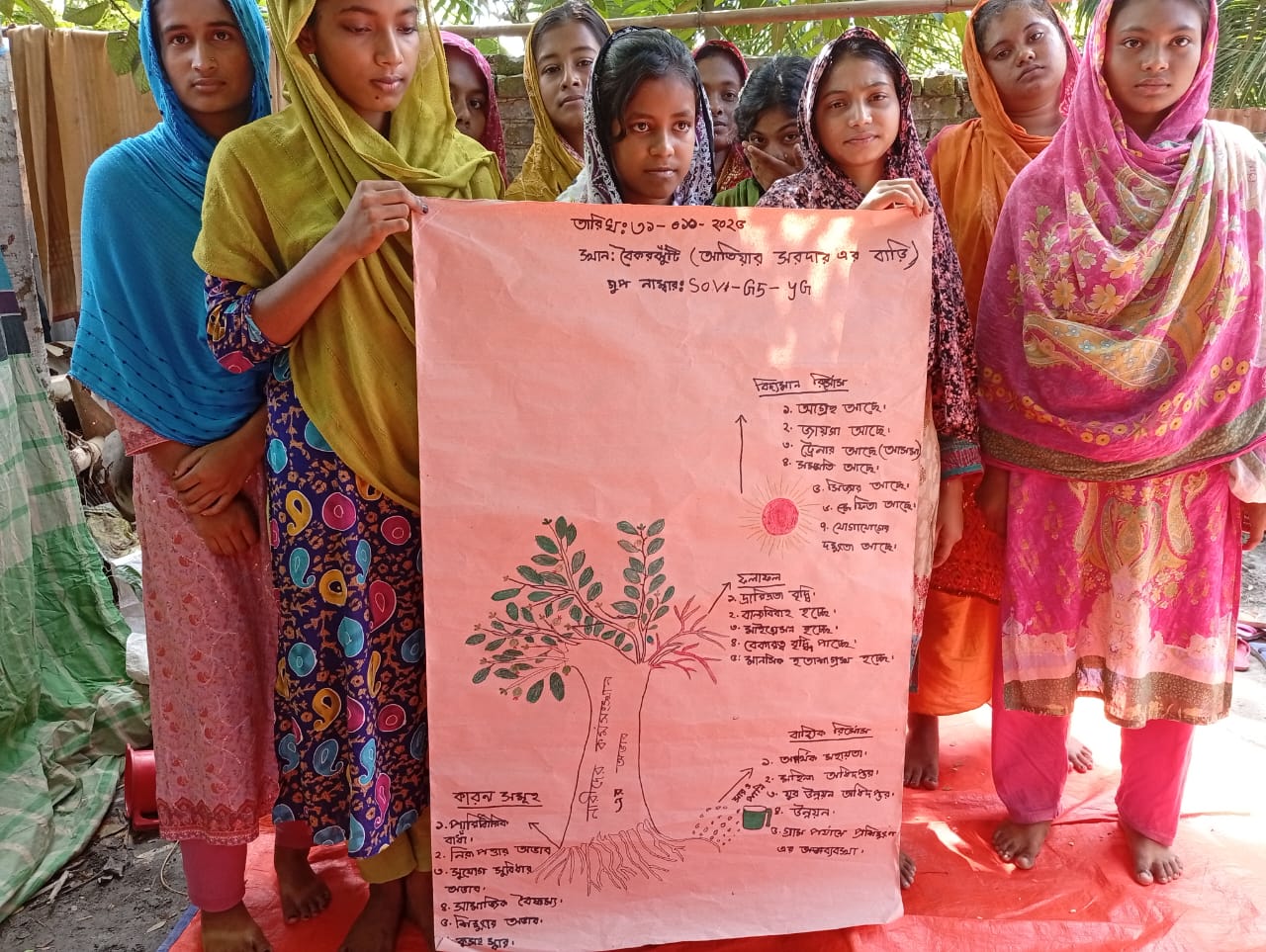
Outcome 2: Children and youth participating in Sports for Protection and related activities have contributed to sustainable local solutions through initiatives led by children and youth. Output 2.1: Improved capacity of adolescents and youth on leadership and 21st century essential soft skills development, climate change and mitigation of unsafe migration and displacement related risks. • Strengthen leadership skills of children and youth through participatory action research methodologies guided by the ENGAGE curriculum. • Identify youth champions who act as change makers.Organize sessions led by children and youth to share information and awareness on the impact of climate change and promote the mitigation of migration and displacement-related risks, among other community change actions. • Support youth-led initiatives to promote climate action. Output 2.2: Strengthen relationships within communities and forge effective linkages with relevant service providers for the empowerment of vulnerable adolescents and youth. • Map relevant organizations/service providers working on adolescent and youth empowerment and climate change in the southern coastal areas of Bangladesh. • Create linkages and establish referral pathways with the government, private and non-government service providers for accessing gender responsive public services.
Outcome 3: Actors at local and district levels contribute to creating an enabling environment for the participation of youth and adolescents in addressing climate-induced vulnerabilities. Output 3.1: Local and district level actors support the promotion of youth-led initiatives in Bangladesh. • Project inception with relevant district and upazilla authorities, and local actors and agree on the work plan for collaborative actions. • Regular coordination meetings with the relevant stakeholders and sharing of the learning and progress of the project with authorities and sports actors for their updates and further suggestions. Output 3.2: Implementation of advocacy initiatives led by local partners, including, but not limited to: organizing community awareness campaigns, lobbying with local actors, awareness campaigns and events to amplify voices of marginalized communities affected by climate change. • Advocacy initiatives led by the local partner.
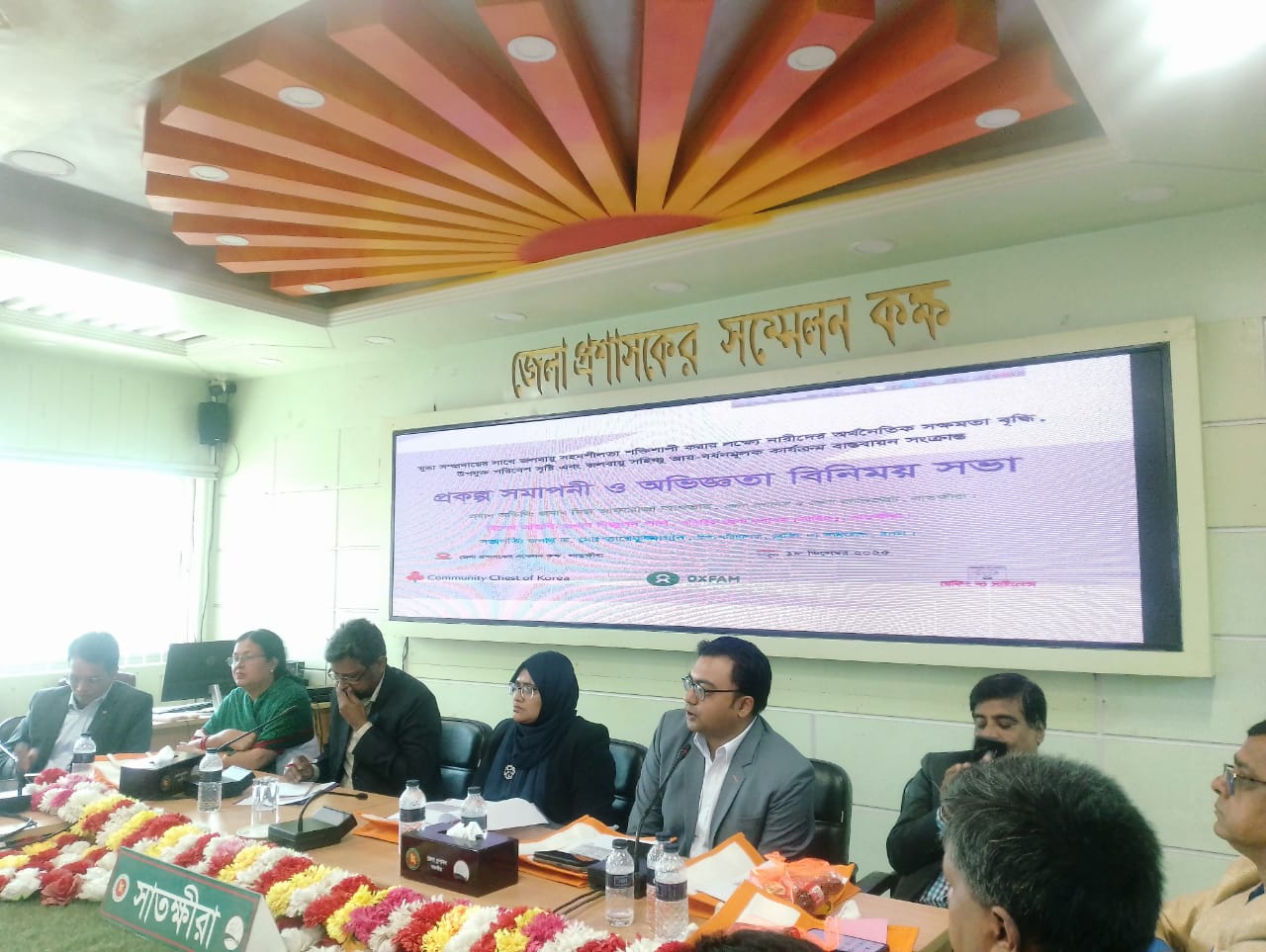
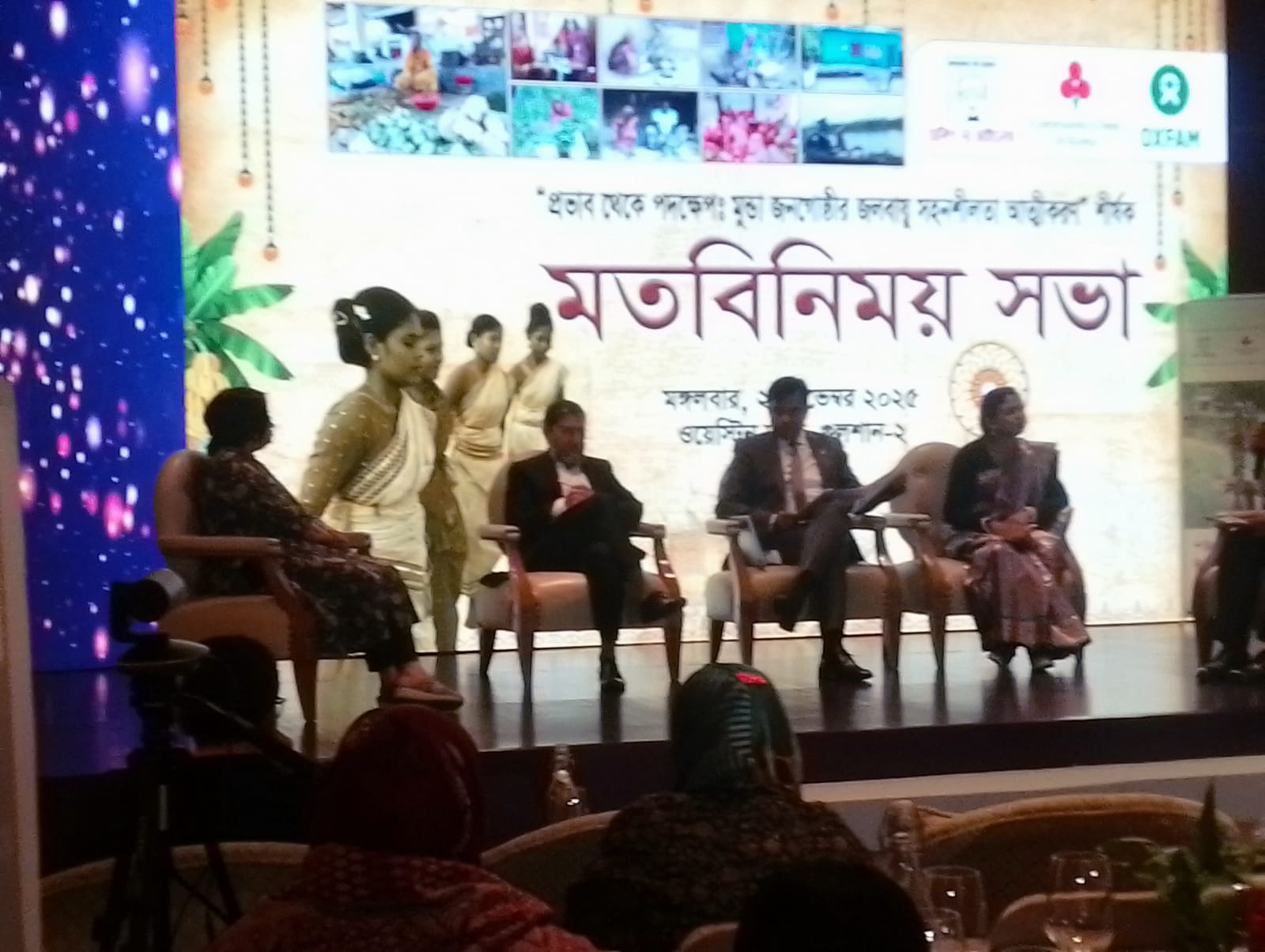
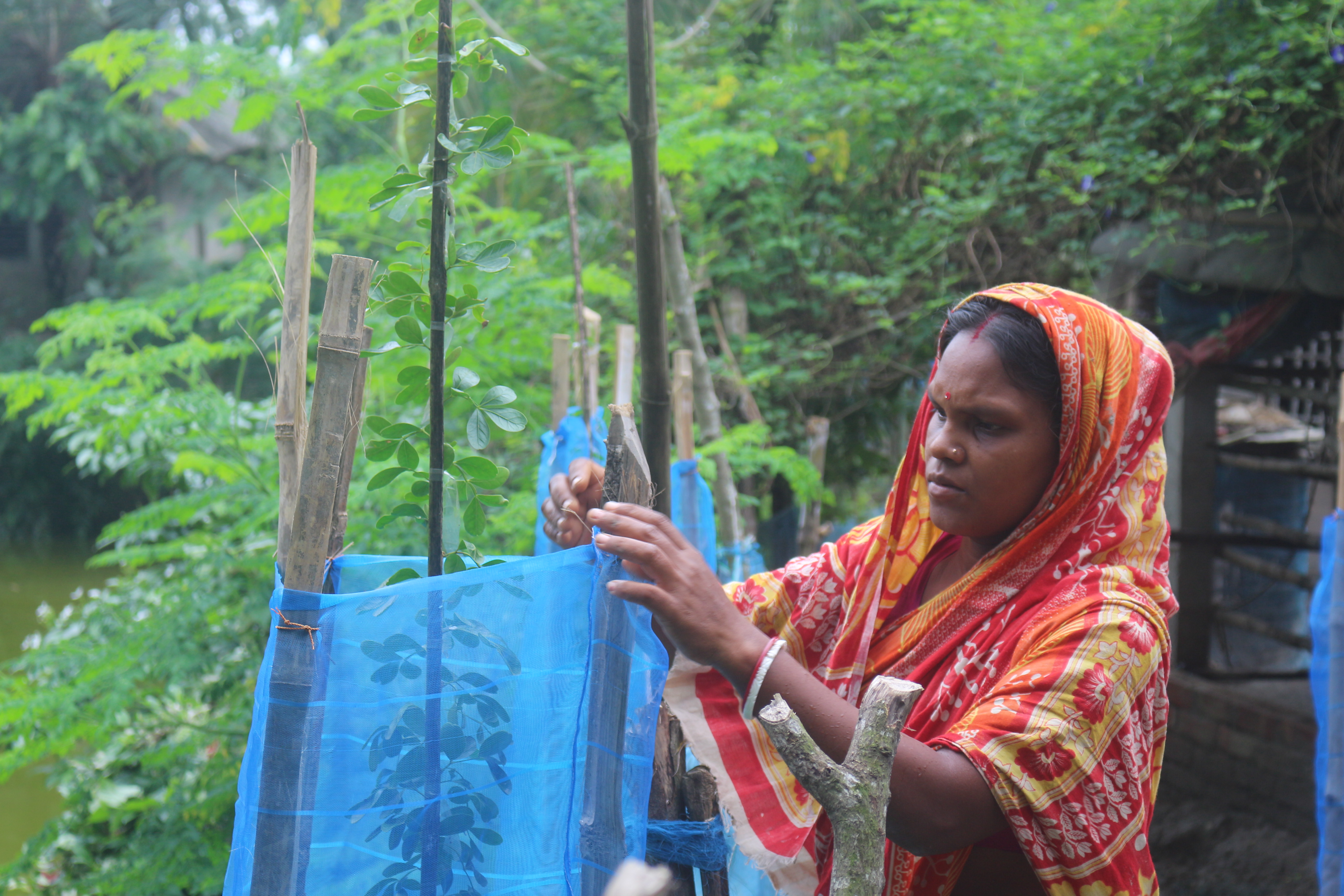
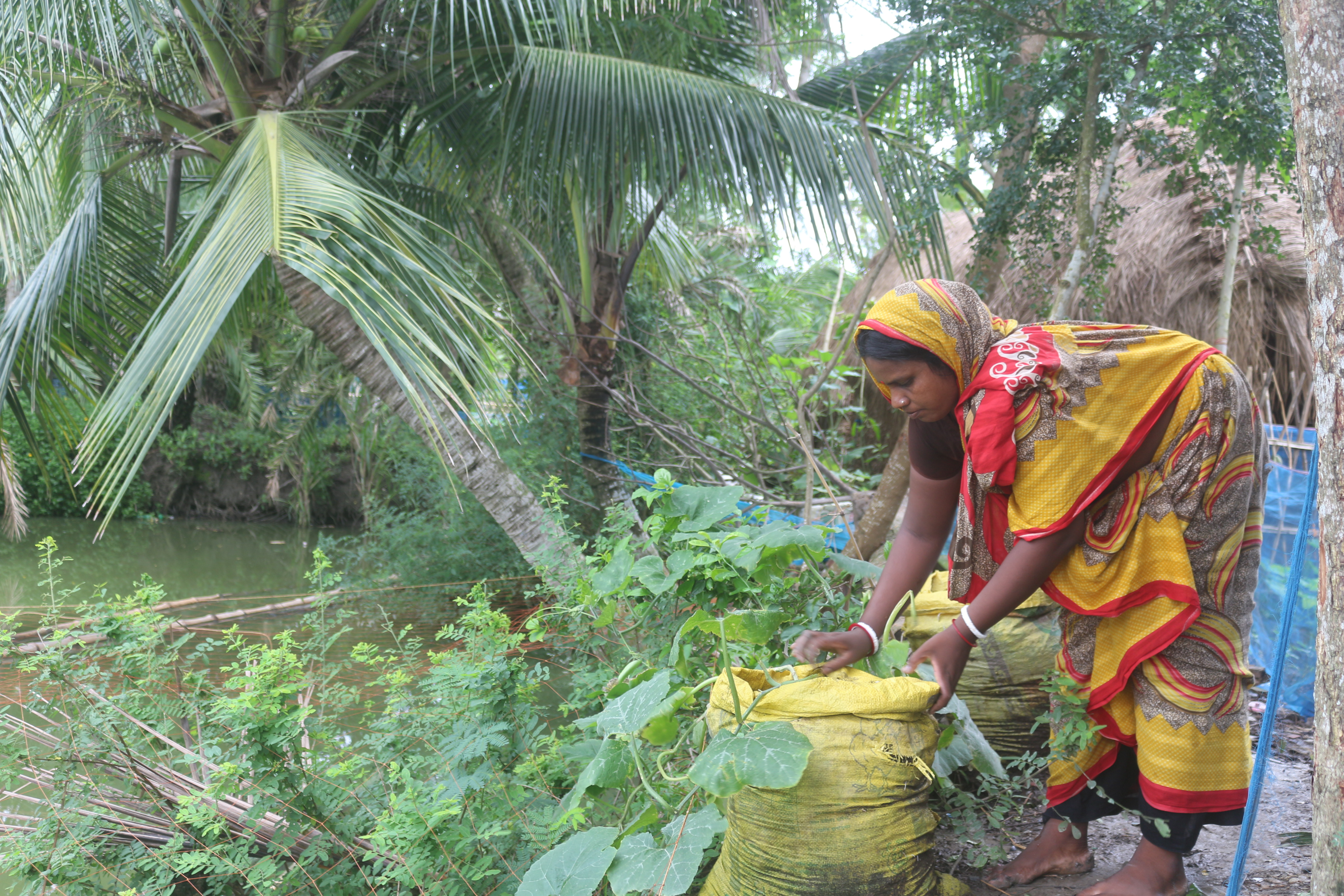
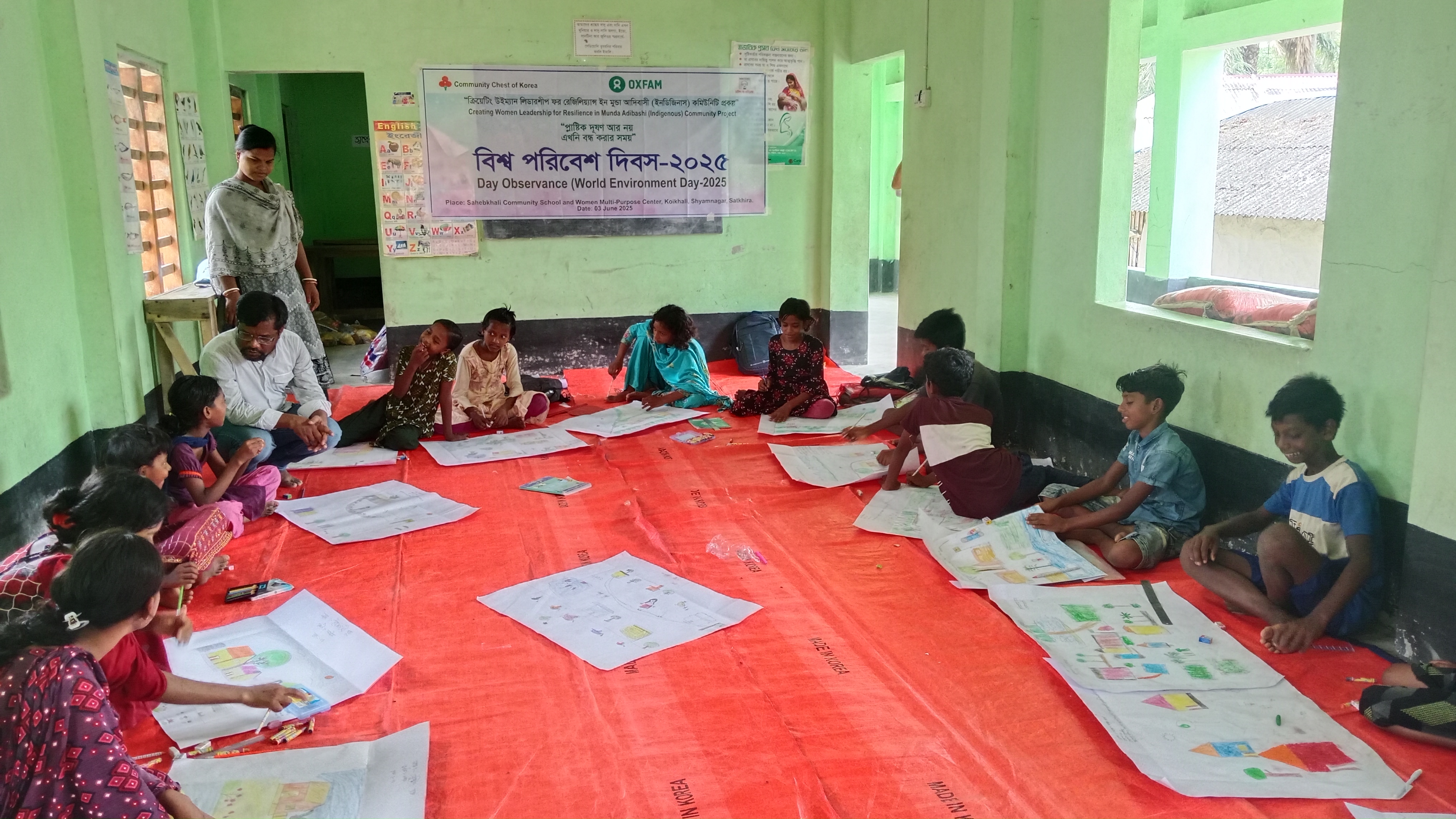
Project Name : Creating Women Leadership for Resilience of Munda Adibashi Community project
Doner : Community Chest of Korea (CCK) & Oxfam in BD
Sector : Development
Area : Shyamnagar, Satkhira
Time Line : July2023 to 31 December2025
Brief of activities :
Gallery








.jpeg)
.jpg)


.jpeg)